
House flipping is fundamentally a game of resource allocation. Every dollar poured into a property must yield a measurable return, ideally expanding your profit margin while decreasing time on the market. Successful investors understand that cosmetic appeal gets buyers through the front door, but solid structural and mechanical integrity is what actually closes the escrow. Skipping essential background systems to spend money on high-end surface finishes is a classic beginner mistake that leads to failed inspections, re-negotiated prices, and ballooning holding costs. Focusing on core utility systems guarantees that the building passes stringent lender requirements and appraises at top market value.
Upgrading Thermal Comfort Systems
When assessing a potential flip, the climate control system should be near the top of your inspection checklist. Buyers expect reliable heating and cooling, and an ancient or malfunctioning unit instantly triggers fears of expensive immediate replacements. Investing in modern HVAC upgrades creates high visual and functional value during open houses. Replacing an outdated unit with an energy-efficient model not only improves the home’s official energy rating but also serves as a strong selling point in listing descriptions. Ensure that ductwork is cleaned, sealed, or replaced if damaged, as leaky ducts can reduce system efficiency by up to thirty percent and spread dust throughout your freshly painted interior.
Securing the Overhead Envelope
A deteriorating roof is an immediate red flag for both retail buyers and mortgage lenders. Water intrusion can silently ruin thousands of dollars in new drywall, insulation, and flooring before a property even hits the market. Partnering with professionals who provide certified roofing services ensures that the primary protective shell of the property is entirely sound. Depending on the remaining lifespan of the existing structure, a full tear-off and replacement might not always be necessary. Often, replacing missing shingles, updating worn flashing, and resealing valleys will suffice to pass home inspections and secure a clear roof certification for the future buyer.
Correcting Vital Utility Lines
Outdated or damaged utility lines represent severe safety hazards and are major friction points during the escrow process. Aging galvanized pipes or severe sewer line backups will stop a sale in its tracks. Contracting a licensed plumbing service to evaluate the supply and drain lines early in the flip ensures you avoid catastrophic leaks after cosmetic finishes are installed. Upgrading old polybutylene or galvanized supply lines to modern PEX or copper increases water pressure and gives prospective owners long-term peace of mind.
Ensuring Fuel Line Integrity
Properties that rely on natural gas or propane require meticulous safety checks before cosmetic renovations begin. Old homes often feature degraded line connections, rusted pipes, or improper past modifications that present major fire and health risks. Scheduling a comprehensive gas line repair remedies dangerous leaks, ensures code compliance, and allows you to safely stage or advertise gas-powered amenities like fireplaces, ranges, and outdoor heating options. Buyers appreciate knowing that fuel systems have been thoroughly inspected and brought up to contemporary safety standards.
Mitigating Moisture and Structural Water Damage
Water is the single most destructive element to a residential structure. Unaddressed leaks in basements, crawlspaces, or under sink cabinets lead to wood rot, compromised foundations, and hazardous mold growth. Securing prompt water damage repair protects your structural investment and eliminates bad odors that deter buyers. Remediating historical water issues requires identifying the root cause, whether it is poor foundation drainage, failing gutters, or leaking internal pipes, rather than simply covering up structural staining with a fresh coat of primer.
Handling Severe Environmental Mitigation
In cases where a property has suffered extensive flooding, burst mains, or prolonged neglect, basic fixes will not suffice. You must call in specialized water restoration companies to perform industrial dehumidification, structural drying, and certified mold remediation. Attempting to bypass professional restoration will almost certainly result in failed buyer inspections and potential legal liability long after the sale closes. Having official remediation certificates on file provides documented proof to buyers that the home is clean, dry, and safe for habitation.
Enhancing Emergency Power Infrastructure
In regions prone to severe weather, ice storms, or unstable electrical grids, offering built-in power resilience can make your property stand out in a competitive market. Organizing a professional generator installation adds a premium feature that differentiates your listing from other flips in the neighborhood. A whole-house backup system appeals strongly to families, remote workers, and safety-conscious buyers who value uninterrupted power. This high-value functional addition can often justify a higher asking price and speed up the overall sale process.
Strategic Cosmetic and Interior Transformations

Once the foundational and mechanical elements of the house are completely stabilized, your attention must shift to visual transformations. Visual enhancements create the emotional connection buyers feel when stepping into a home. Strategic cosmetic upgrades yield some of the highest returns on investment because they directly influence first impressions. The goal is to create a clean, modern, neutral canvas that allows potential owners to easily picture their lives inside the space.
Modernizing the Heart of the Home
Kitchens sell houses faster than almost any other single feature. A complete gut-and-rebuild kitchen renovation is not always required to achieve top dollar, but target updates are essential.
- Paint existing solid wood cabinets in popular neutral colors like warm white, soft gray, or deep navy, and install fresh, modern hardware.
- Replace worn laminate countertops with durable quartz or granite surfaces, which offer great durability and widespread buyer appeal.
- Install a simple subway tile backsplash to add texture and visual depth without breaking your renovation budget.
- Swap out outdated appliances for matching stainless steel models, prioritizing energy efficiency and clean lines.
- Upgrade the primary sink and faucet to a deep undermount design paired with a functional gooseneck pull-down sprayer.
Elevating Bathroom Fixtures and Layouts
Bathrooms are secondary focal points that significantly impact a buyer’s willingness to make a high offer. Cleanliness, lighting, and modern finishes are critical in these compact spaces.
- Replace dated, stained vanities with pre-fabricated modern units that include integrated stone tops and modern storage solutions.
- Convert old fiberglass tub surrounds into fully tiled walk-in showers or clean tile tub surrounds using neutral, classic tile designs.
- Install high-efficiency, dual-flush toilets to reduce water consumption and update the room’s aesthetic profile.
- Modernize lighting fixtures above mirrors, ensuring bright, neutral-temperature illumination that makes the space feel larger and cleaner.
- Update floor tiles with non-slip, waterproof options that withstand high moisture while offering contemporary style.
Optimizing Floor Plans and Spatial Flow
Dark, compartmentalized layouts from past decades can make even large homes feel cramped and uninviting. Opening up sightlines between the kitchen, dining, and living areas immediately modernizes a property’s dynamic. Removing non-load-bearing walls creates an open-concept layout that modern families actively seek. When removing structural walls, always consult structural experts to calculate load distributions and install appropriate support beams. Additionally, ensure that floor transitions between rooms are seamless by running consistent flooring throughout the primary living areas.
Refreshing Surfaces and Interior Trim
Finishing details can make or break the perceived quality of a residential flip. Paint and trim are relatively inexpensive materials that deliver dramatic visual returns.
- Apply a fresh coat of low-VOC, satin or eggshell paint in neutral tones like warm gray, greige, or soft cream across all main walls.
- Paint all interior trim, doors, and baseboards in a crisp, semi-gloss white to create sharp contrast and clean visual lines.
- Replace damaged, squeaky, or hollow-core interior doors with solid-core options that feel substantial and dampen room-to-room noise.
- Install continuous luxury vinyl plank or engineered hardwood flooring across high-traffic areas to unify the floor plan visually.
- Add simple crown molding or updated baseboards in key primary spaces like the master suite and main living room for a tailored look.
Maximizing Exterior Curb Appeal and Site Presence
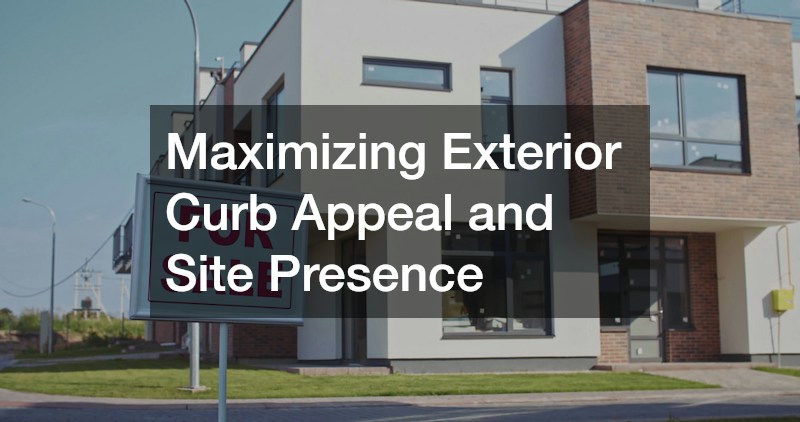
First impressions occur before a buyer even steps out of their vehicle. If the exterior of a property looks overgrown, weathered, or neglected, buyers immediately assume the interior has been equally ignored. Elevating the exterior of a home through things like landscaping builds positive anticipation and sets a high expectation for the rest of the tour. Exterior investments also translate directly into higher appraisal values by enhancing neighborhood aesthetics.
Enhancing Softscapes and Front Yard Design
A clean, inviting front yard establishes immediate curb appeal and makes a property feel well-cared-for from the curb. Smart investments in your softscape can dramatically transform a property’s exterior presence.
- Clear away overgrown bushes, dead trees, and invasive weeds that block windows or hide architectural features.
- Apply a thick layer of dark hardwood mulch over garden beds to suppress weed growth and provide a clean contrast against green plants.
- Plant low-maintenance, perennial shrubs and colorful local flowers that thrive in the regional climate without requiring constant watering.
- Edging driveways, walkways, and garden borders creates sharp, defined lines that give the property a professionally maintained appearance.
- Revitalize a patchy lawn with fresh sod or high-grade overseeding paired with balanced fertilizer applications to establish rich green grass.
Renovating Architectural Facades and Siding
The outer walls of a home are constantly exposed to environmental wear and tear. Restoring or updating exterior siding instantly modernizes a structure’s age.
- Power wash brick, stone, and existing vinyl siding to remove years of accumulated dirt, mildew, and engine exhaust grime.
- Paint outdated exterior brick or faded wood siding using modern, weather-resistant exterior paint formulations in subtle contemporary tones.
- Replace damaged or rotting fascia boards, soffits, and trim around exterior windows to prevent moisture infiltration and wood decay.
- Install accent materials, such as stone veneer or vertical board-and-batten siding around the front entry, to create visual interest.
- Ensure all exterior caulking around windows and doors is completely scraped and replaced to improve thermal efficiency and weatherproofing.
Upgrading Exterior Entryways and Illumination
The front entryway serves as the focal point of a home’s exterior design. It is the exact spot where prospective buyers stand waiting for the real estate agent to unlock the front door.
- Replace worn, basic front entry doors with modern fiberglass or steel options featuring glass inserts that let natural light into the foyer.
- Install high-quality, matching exterior door hardware, including deadbolts and handle sets with contemporary brushed nickel or matte black finishes.
- Replace old, rusted exterior lighting fixtures beside the front door, garage, and side entries with clean LED lanterns.
- Clear and pressure-clean front porches, walkways, and stoops to remove oil stains, moss, and dirt before holding open house events.
- Add illuminated address numbers near the front door or garage to ensure the property is easy to locate during evening drive-by viewings.
Building the Right Team for Execution

Flipping houses successfully is rarely a solo endeavor. Time is your primary metric of risk; every extra day spent holding a property eats directly into your profit margin through interest, taxes, utilities, and insurance. Building a network of skilled, dependable construction professionals is crucial for staying on budget and finishing project phases on schedule. Knowing when to delegate specialized jobs versus managing general tasks allows you to scale your business effectively.
Sourcing Skilled Craftspeople for Specialized Trades
Attempting complex DIY renovations on specialized structural systems often leads to code violations, dangerous installations, and costly rework. Building strong relationships with reliable home builders gives you access to expert advice when tackling structural expansions, complex layout reconfigurations, or full-scale gut renovations. Experienced structural professionals understand local building codes, permitting requirements, and proper construction staging. Having trusted professionals on speed dial ensures that unexpected discoveries during demolition do not stall your entire project schedule for weeks on end.
Contracting General Project Management

Managing multiple subcontractors, scheduling inspections, pulling permits, and sourcing materials can quickly overwhelm an investor who is trying to balance multiple properties. Working alongside seasoned local general contractors allows you to pass off day-to-day site management and focus on sourcing your next investment deal. A good project manager brings an existing network of vetted subcontractors, bulk material pricing discounts, and deep familiarity with municipal inspectors. Their expertise helps avoid common permitting delays, prevents costly scheduling conflicts between trades, and ensures that all renovation work adheres strictly to regional safety and building standards.
Smart Financial Budgeting for Maximum Returns
To ensure that every repair delivers a strong return, smart investors rely on a structured budgeting strategy. Bidding out projects across multiple contractors helps establish fair market costs while maintaining high execution standards.
- Establish a strict contingency budget equal to fifteen to twenty percent of total estimated renovation costs to handle unseen structural issues.
- Calculate the Maximum Allowable Offer using thorough comparable market analysis before purchasing any potential house flip.
- Prioritize capital allocation toward kitchen, bath, and curb appeal enhancements that buyers can immediately see and appreciate during tours.
- Avoid over-improving a property beyond the average neighborhood standards, as local buyers will rarely pay for excessive luxury upgrades.
- Track holding costs daily to maintain pressure on renovation timelines and motivate contractors to hit intermediate completion milestones.
Successfully flipping real estate requires a balanced approach to property renovation. By directing your capital toward high-yield structural repairs, essential utility updates, strategic cosmetic modernizations, and impactful exterior enhancements, you maximize buyer interest and protect your profit margin. Partnering with experienced trade professionals ensures that every phase of the project is executed efficiently and up to code. When you focus your energy and budget on updates that truly matter to buyers and appraisers alike, you create a repeatable formula for long-term real estate investment success.