When you pull into your driveway after a long day, what is the first thing you notice? If the paint on your home is vibrant and clean, you likely feel a sense of pride. But if the color is fading, or if there are patches of peeling paint near the windows, you might feel a bit of stress. In the world of real estate and home improvement, this first impression is called “curb appeal.”
Curb appeal is the secret weapon of every successful home seller. It is the emotional spark that happens when a buyer first sees a house from the street. If the exterior looks neglected, a buyer might assume the inside of the house is neglected too. One of the fastest and most effective ways to boost this appeal is with a fresh coat of paint.
However, painting a house is a big investment of both time and money. You don’t want to do it too often and waste cash, but you certainly don’t want to wait so long that the wood underneath begins to rot. If you are asking, “how often should you paint your house to maximize resale value?” the answer depends on your materials, your climate, and the current condition of your exterior.
Why Paint Matters for Your Home’s Value
Before we talk about the “when,” we need to understand the “why.” Paint is not just a pretty color. In home improvement, paint is actually your home’s first line of defense. It acts like a protective skin or a raincoat.
- Sealing Out Moisture: Rain, snow, and humidity are constantly trying to soak into your home’s structure. High-quality paint seals the pores of wood and masonry, keeping water out. Once water gets behind the paint, it can lead to mold and wood rot, which are very expensive to fix.
- UV Protection: The sun’s rays are incredibly powerful. Over time, UV light breaks down the chemical bonds in your siding. Paint reflects these rays, acting like sunblock for your house.
- Pest Prevention: Certain insects, like termites or carpenter bees, find it much harder to burrow into surfaces that are well-maintained and painted.
When a home appraiser or a potential buyer looks at your house, they aren’t just looking at the color. They are looking for these signs of protection. A well-painted home suggests that the owner has taken care of the “bones” of the building.
The General Timeline: How Often Should You Paint Your House?

While every home is different, there are some general rules of thumb based on the material of your exterior. If you want to keep your resale value high, you should follow these estimated schedules:
Wood Siding (Every 3 to 7 Years)
Wood is a natural material that expands and contracts as the temperature changes. This movement causes the paint to crack over time. Because wood is also very susceptible to rot, it needs the most frequent attention. If you have wood siding, you should plan for a fresh coat every five years on average.
Aluminum Siding (Every 5 to 10 Years)
Aluminum is very durable, but the paint can become “chalky” over time. If you run your hand across your siding and a white, powdery residue comes off on your fingers, the paint is breaking down. While aluminum doesn’t rot, chalky siding looks old and tired to a buyer.
Stucco (Every 5 to 10 Years)
Stucco is a very sturdy material, but it is also very porous. This means it can soak up water if it isn’t sealed properly. Paint helps fill the tiny cracks that naturally form in stucco. If you see small “hairline” cracks appearing, it is time to paint.
Fiber Cement / James Hardie Siding (Every 10 to 15 Years)
This is a modern material that is very popular in home upgrades. It is designed to hold onto paint much longer than traditional wood. If your home has fiber cement siding, you can often go a decade or more before needing a refresh.
5 Signs You Need to Paint Right Now
If you are planning to sell your home in the next year, you shouldn’t just look at the calendar. You need to look for physical signs of wear. If you see any of these five signs, it is time to call a professional painter.
1. Fading and Discoloration
The side of your house that faces the south or west gets the most direct sunlight. Over time, the vibrant color will start to look “washed out.” If the front of your house looks three shades lighter than the back, it creates an uneven, messy appearance that kills curb appeal.
2. Bubbling or Peeling
This is a major red flag. When paint bubbles or peels, it means the bond between the paint and the siding has broken. This usually happens because moisture has gotten underneath. Peeling paint is like an open wound on your house; it invites rot and pests to enter.
3. Cracking and “Alligatoring”
If the paint looks like the scales of an alligator, it means the paint has become brittle. It can no longer stretch and move with your house. These cracks allow water to seep in, even if the paint hasn’t fallen off yet.
4. Hardened Caulk
Caulk is the flexible material used to seal the gaps around your windows and doors. Over time, caulk becomes hard and brittle. If the caulk is cracking or pulling away, you likely need a “prep and paint” job to reseal your home’s envelope.
5. Mold or Mildew Stains
If you see black or green spots on your siding, it might just be dirty. However, if you wash it and the stains remain, the mold may be growing into the paint itself. This is very unattractive to buyers and suggests a moisture problem.
How Climate Affects Your Schedule
Your location plays a huge role in answering “how often should you paint your house.” Different environments put different types of stress on your exterior.
- Coastal Areas: If you live near the ocean, the salt in the air is very abrasive. It can eat through paint much faster than in inland areas. Coastal homes often need a refresh every 3 to 5 years.
- Extreme Heat: In states like Arizona or Texas, the intense sun “cooks” the paint. This leads to rapid fading and cracking.
- Heavy Snow and Ice: In the North, the “freeze-thaw” cycle is brutal. When water gets into tiny cracks, freezes, and expands, it literally rips the paint off the surface.
If you live in an area with harsh weather, you should be inspecting your exterior every spring. Catching a small problem early can save you from having to paint the entire house a year sooner than expected.
Choosing the Right Color to Maximize Value
If you have decided that it is time to paint, the next big question is: what color? While you might love bright purple or neon green, those colors can actually decrease your home’s resale value.
To maximize your return on investment, you should stick to “neutrals with a pop.”
- The Body: Stick to classic colors like “Greige” (a mix of gray and beige), soft whites, or light blues. These colors make the house look larger and more modern.
- The Trim: Use a crisp, clean white for the trim around windows and doors. This creates a high-contrast look that looks great in listing photos.
- The Front Door: This is where you can have fun! A bold red, deep navy, or forest green front door acts as a focal point. It draws the buyer’s eye and makes the home feel welcoming.
Professional vs. DIY: What’s Best for Your Value?
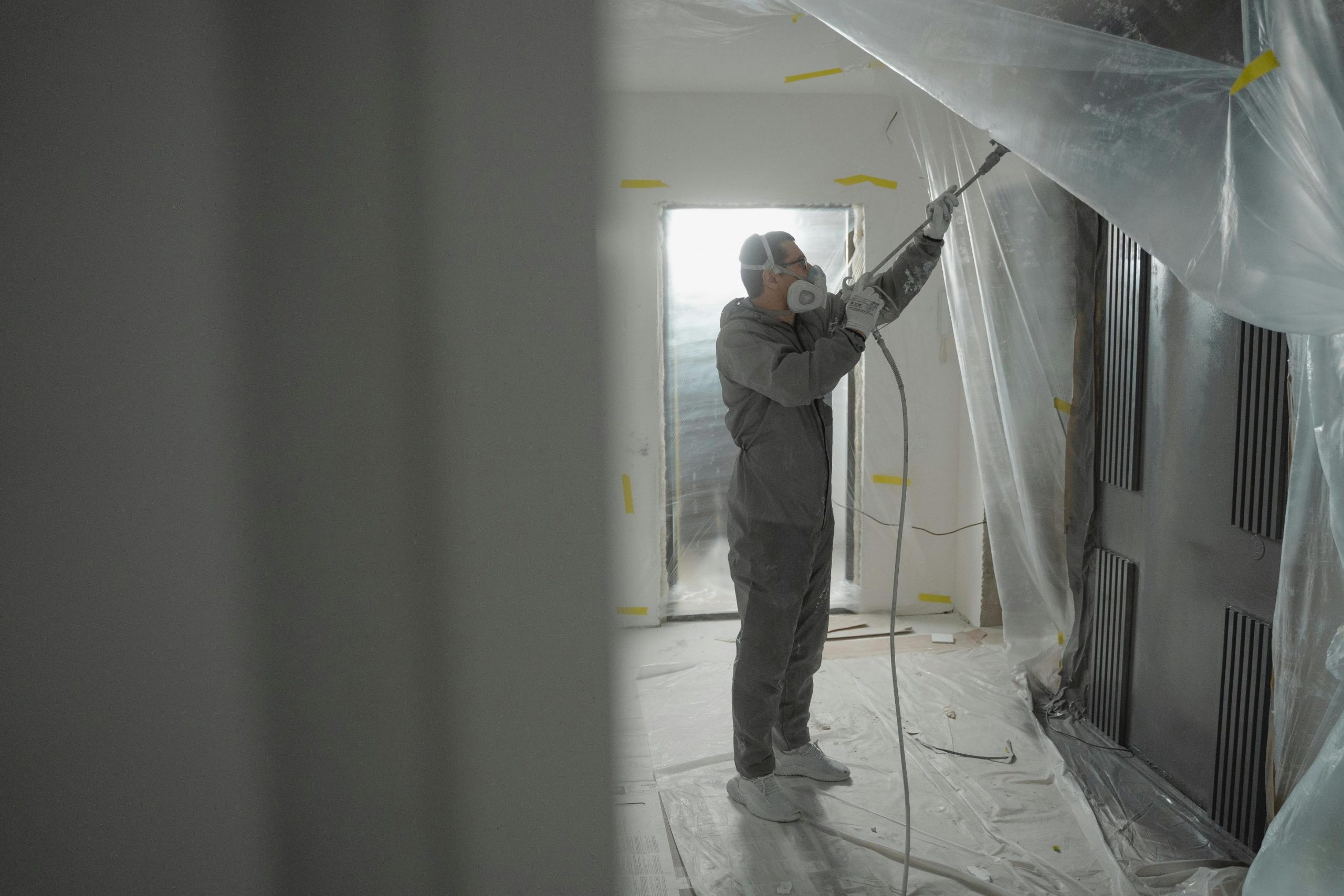
For many home improvement projects, doing it yourself is a great way to save money. However, when it comes to the exterior of your house, you should be careful.
A “bad” paint job can actually hurt your resale value more than no paint job at all. If there are drips on the windows, overspray on the roof, or if the wood wasn’t sanded properly before painting, a buyer will see it immediately. They will wonder what other “short-cuts” you took inside the house.
A professional team will spend 70% of their time on “prep work.” This includes power washing, scraping off old paint, sanding rough spots, and priming the surface. This prep work is what makes a paint job last for ten years instead of two. If you want to truly maximize your resale value, hiring a reputable pro is usually the better choice.
Conclusion: Protecting Your Biggest Investment
Your home is likely your most valuable asset. Protecting that asset means staying on top of maintenance. So, how often should you paint your house? For the best results, aim for every 5 to 7 years, but stay alert for signs of damage like peeling or fading.
When you keep your home’s exterior in top shape, you aren’t just making the neighbors happy. You are building equity. A fresh, professional paint job can offer a massive return on investment when it comes time to sell. It tells the world—and potential buyers—that this house is a safe, beautiful, and well-cared-for place to live.
By following a regular painting schedule, you can stop the damage before it starts. You will enjoy a more beautiful home while you live there, and a much faster sale when you are ready to move on to your next adventure.