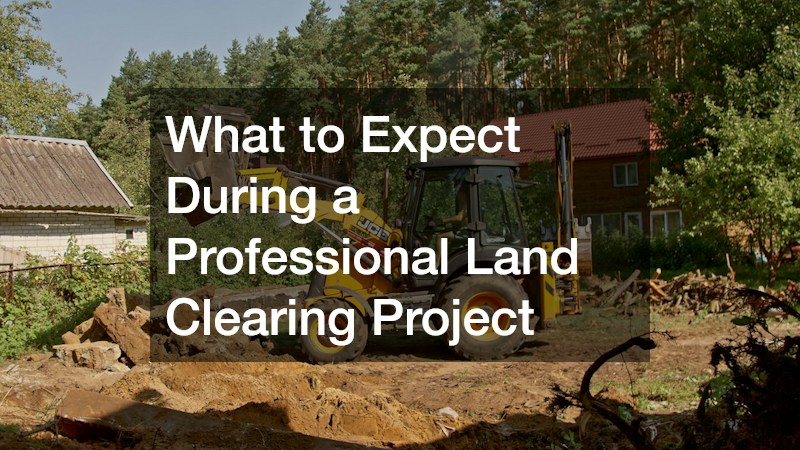
Following the physical removal of trees and heavy brush, bare soil is exposed to rain, wind, and surface runoff, making immediate soil stabilization a priority. Ground that was previously anchored by extensive root systems can quickly erode, creating gullies and washing away nutrient-rich topsoil. Professional crews implement stabilization measures immediately after grading to ensure the newly exposed land remains stable and compliant with local environmental regulations. Taking action quickly prevents rain from carving deep channels into freshly leveled ground.
Common erosion control techniques include hydroseeding fast-growing cover crops, spreading protective straw blankets, and installing silt fences along slopes and water drainages. Silt fencing traps fine sediment before it can leave the property or enter municipal drainage systems.
Utilizing these targeted soil stabilization techniques through a professional land clearing company protects your financial investment in the site prep work and preserves the structural integrity of the land for future construction.
Initial Site Assessment, Planning, and Permitting
Every successful land clearing project begins long before heavy machinery arrives on site. The first crucial phase involves a detailed site evaluation conducted by experienced professionals. During this initial walkthrough, contractors assess the property’s topography, soil type, vegetation density, tree sizes, and any potential obstacles such as large boulders or standing water. They also identify property boundaries, locate underground utilities, and determine which trees or natural features should be preserved according to the property owner’s vision. Marking these preservation zones clearly prevents accidental damage during active heavy equipment operations.
In addition to physical site evaluation, navigating local regulations is an essential part of the planning phase. Depending on your location and project scope, you may need municipal permits for tree removal, erosion control, or work near wetlands and protected waterways. A reputable land clearing company coordinates with local authorities, ensures environmental compliance, and secures all necessary permits before work commences, establishing a solid foundation for a safe and lawful project.
Choosing the Right Clearing Method and Equipment Setup
Once the site assessment and permitting steps are complete, the contractor determines the most effective clearing methods and selects appropriate heavy machinery. Land clearing projects utilize a variety of specialized equipment tailored to the specific terrain and vegetation type. For heavy timber and large structures, excavators, bulldozers, and heavy-duty timber harvesters are deployed to uproot trees and clear deep root systems. For dense brush, saplings, and smaller debris, forestry mulchers provide an efficient alternative that grinds vegetation directly into a fine, protective layer of mulch.
The choice between traditional clearing and forestry mulching often depends on your long-term goals for the property. Traditional excavation removes all organic material down to bare dirt, which is ideal when preparing a foundation for home construction, driveways, or agricultural fields. Forestry mulching, on the other hand, minimizes soil disturbance and provides natural erosion control. Discussing these options with an experienced land clearing company ensures the chosen technique matches your project timeline, budget, and environmental preferences.
Execution: Clearing, Grubbing, and Grading
The core operational phase of the project consists of three main stages: clearing, grubbing, and grading. During the initial clearing stage, crew members cut down trees, clear away thick brush, and remove surface vegetation. The second stage, known as grubbing, focuses on uprooting remaining tree stumps, deep root systems, and buried rocks. Removing subsurface organic matter is critical for construction projects, as decaying roots leave underground voids that compromise structural foundations and cause settling over time. Experienced operators thoroughly comb the soil to extract hidden root mats that could interfere with future excavation.
Following clearing and grubbing, the machinery operators perform rough site grading and land leveling. Grading smooths out uneven terrain, fills in holes left by uprooted trees, and establishes proper surface drainage patterns to prevent water accumulation. Correct slope angles ensure that rainwater naturally flows away from planned building sites. Throughout this phase, professional crews implement erosion control measures, such as installing silt fences or laying down straw, to protect nearby waterways from sediment runoff and preserve topsoil integrity.
Waste Removal, Debris Management, and Final Site Inspection
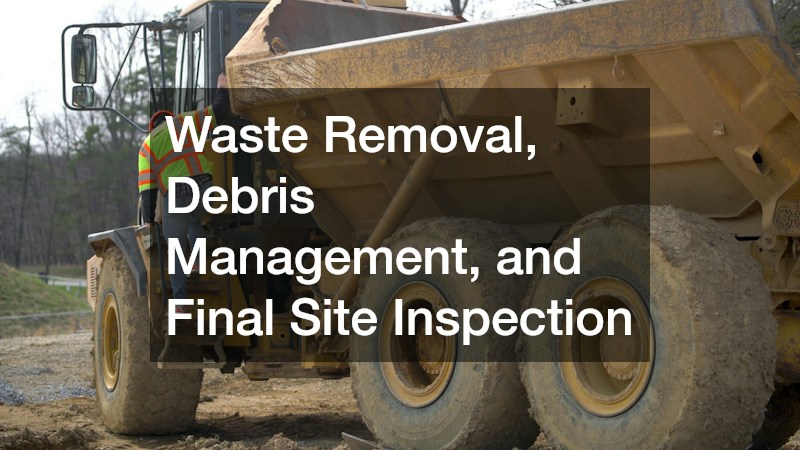
The final stage of a land clearing project addresses the substantial volume of debris generated during the process. Depending on the clearing method used, debris management can take several forms. Whole trees may be processed into commercial sawlogs, chipped into wood mulch for landscaping, or hauled off-site for disposal. Efficient debris processing minimizes transport loads and speeds up overall site cleanup. If forestry mulching was utilized, the ground vegetation remains spread across the property as an organic layer that retains moisture and prevents soil erosion.
Once all debris is processed or removed, the site supervisor conducts a thorough final walk-through with the property owner. This inspection confirms that all project specifications have been met, boundary lines were respected, and preserved trees remain undamaged. Reviewing the finished site together ensures complete alignment on quality and project completion. Partnering with a reliable land clearing company ensures a seamless transition from raw, overgrown wilderness to a clean, well-drained, and fully prepared plot of land ready for your upcoming build or development.