The reality of the modern real estate market is that buyers are incredibly discerning. Gone are the days when a flipper could throw on a cheap coat of beige paint, lay down some budget laminate flooring, and expect a massive bidding war. Today’s buyers are willing to pay a premium for a home, but they expect real value, structural integrity, and peace of mind in return. They look past the surface-level cosmetics to see what lies beneath, calculating the future costs of deferred maintenance before they ever make an offer.
To maximize your equity and ensure a fast, profitable exit, you must adopt a strategy of selective upgrading. This means focusing your capital on high-return improvements that directly address a buyer’s biggest fears—such as unexpected system failures—while simultaneously injecting the property with modern, lifestyle-enhancing features. The ideal flip strikes a perfect balance between structural soundness, mechanical efficiency, and high-end aesthetic appeal.
Fortifying the Envelope: Structural Upgrades Buyers Can’t Ignore
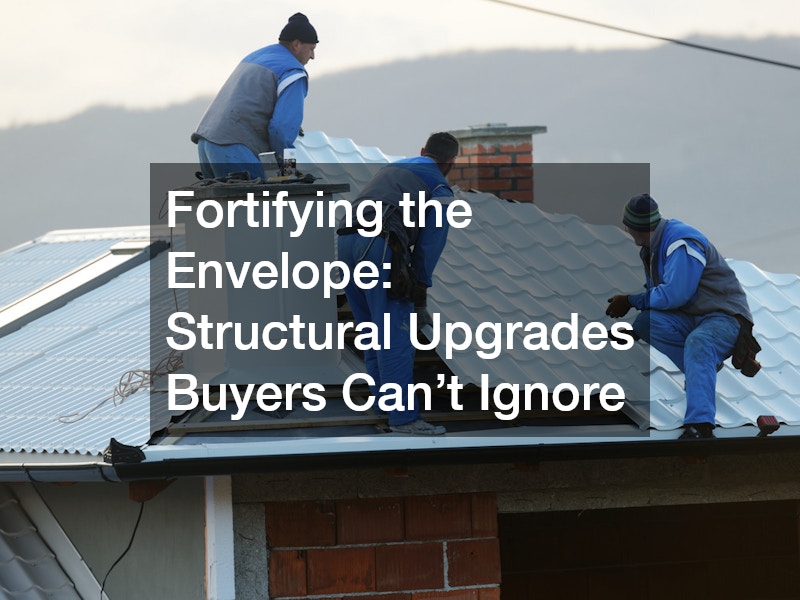
The exterior envelope of a house is its first line of defense against the elements, and it is the very first thing a prospective buyer sees when pulling up to the curb. If a house looks compromised from the outside, buyers will immediately assume the interior has been neglected as well. Investing in the structural envelope protects your interior renovations and reassures nervous buyers that they won’t be hit with a massive repair bill immediately after moving in.
Overhaul the Shield: Replacing an Aging Roof
An aging, wavy, or leaking roof is an absolute deal-breaker for most buyers and an immediate red flag for insurance companies. Before you spend a dime on interior finishes, you must thoroughly evaluate the state of the shingles and underlayment to determine if you need a simple patch job or a total tear-off.
-
Look for curling, cracked, or missing shingles, as well as heavy granule loss in the gutters, which indicate the material has reached the end of its lifespan.
-
Inspect the attic space for water stains, mold growth, or soft spots in the sheathing that point to active or historical leaks.
-
Check the flashing around chimneys, vents, and valleys, as these are the most common failure points for water intrusion.
When a total replacement is required, trying to save a few dollars by hiring uncertified, cut-rate labor will almost always backfire. Partnering with reputable, established roofing companies is the only way to secure the transferable manufacturer warranties that sweeten the deal for the next owner. Furthermore, a brand-new architectural shingle roof completely eliminates buying friction during the home inspection phase, turning a potential negotiation liability into a powerful selling feature.
Seal the Heat: Upgrading to High-Efficiency Windows
Drafty, single-pane aluminum windows are a massive drain on energy efficiency and visually date a property faster than almost anything else. Modern buyers are hyper-focused on utility costs, and they will quickly calculate how much heat or conditioned air is escaping through old, warped frames.
Replacing these outdated fixtures with a double-pane vinyl frame window offers the absolute best balance of low upfront cost, excellent insulation values, and long-term durability. These fixtures require virtually zero maintenance, never need painting, and provide an excellent acoustic barrier against neighborhood noise. From a visual standpoint, clean, crisp frames instantly modernize both the interior and exterior of an older property, allowing natural light to flood the living spaces and giving the entire home a refreshed, upscale appearance.
Powering the Future: Mechanical and Electrical Overhauls
A house can look like a luxury estate on the surface, but if its internal mechanical and electrical systems are obsolete, it is a ticking time bomb for the investor and the future homeowner. Bringing these hidden components up to modern standards is critical for passing municipal building codes, securing financing, and justifying a premium asking price.
Modernizing the Core: Upgrading Panels and Wiring
Vintage properties are notorious for containing outdated, hazardous electrical systems that simply cannot handle the power demands of a modern household. When you flip an older property, you are highly likely to encounter dangerous Federal Pacific or Zinsco panels, or even older knob-and-tube or ungrounded cloth wiring.
-
Outdated electrical components are a major fire hazard and will prevent buyers from securing standard homeowners insurance.
-
Modern households utilize an immense amount of power, from high-end kitchen appliances and home theaters to dedicated home offices and electric vehicle charging stations.
-
Upgrading a property to a standard 200-amp service provides the infrastructure necessary to support heavy tech loads without overloading circuits.
Because electrical work carries massive safety liabilities and requires strict municipal permits, this is never an area for DIY experimentation. Bringing in certified electricians ensures that all work is completed safely, cleanly, and strictly to code. Having a permitted, fully updated electrical panel gives buyers immense confidence and shows that you did not cut corners behind the drywall.
Embracing Green Energy: The Appeal of Eco-Friendly Power
The clean energy movement has shifted from a niche alternative lifestyle to a mainstream consumer demand. Properties that actively lower a homeowner’s carbon footprint and monthly overhead attract a highly motivated, affluent demographic willing to engage in bidding wars.
Integrating a residential solar panel system onto a property provides incredible marketing leverage when the home hits the market. By navigating local clean energy tax credits and solar incentives during the renovation phase, you can offset a significant portion of the installation costs. When the home is listed, you can explicitly market the promise of drastically reduced or even net-zero electric bills, transforming an ongoing monthly expense into an equity-building asset for the future owner.
Smart Security and Resilience: Peace of Mind as a Premium Feature
In a world filled with unpredictable weather and rising urban concerns, buyers are looking for homes that offer physical safety and operational resilience. Upgrades that protect a family from property crime and utility grid failures add an undeniable premium that sets your flip apart from standard, unfortified properties.
Fortifying the Perimeter: Modern Access Control
First impressions matter, and a buyer’s psychological evaluation of a home begins the moment they step up to the front door. Flimsy, weathered locksets and wobbly entry doors not only look unappealing, but they also trigger a subconscious feeling of vulnerability.
Investing in a comprehensive security hardware installation is a low-cost, high-impact way to establish a feeling of luxury and safety right at the threshold. This means replacing old brass knobs with heavy-duty, commercial-grade deadbolts, reinforcing entry frames with long strike-plate screws that resist kick-ins, and installing smart access locks. When a prospective buyer walks through a solid, securely locked door, they instantly feel safe, relaxed, and ready to appreciate the rest of the house.
Climate Resilience: Preparing for Grid Instability
Extreme weather events, aging public infrastructure, and rolling blackouts have fundamentally changed what buyers look for in a property. A home that can maintain power and comfort when the surrounding neighborhood goes dark possesses an incredible competitive advantage.
-
Whole-house backup systems keep critical appliances running, preventing thousands of dollars in spoiled food and property damage during extended outages.
-
Having a reliable, automatic backup source ensures that home medical equipment, security systems, and climate control remain operational during a crisis.
-
Buyers view resilience features as an essential form of insurance, making them highly willing to pay a premium for a home that protects them from the unexpected.
By integrating a permanent home generator into the property’s mechanical system, you provide a turnkey solution to grid instability. This system hooks directly into the home’s fuel lines and electrical panel, kicking on within seconds of a power failure. In your marketing materials, this feature establishes the flip as a worry-free, premium listing designed to weather any storm.
Next-Gen Interiors: Leveraging the Smart Home Trend
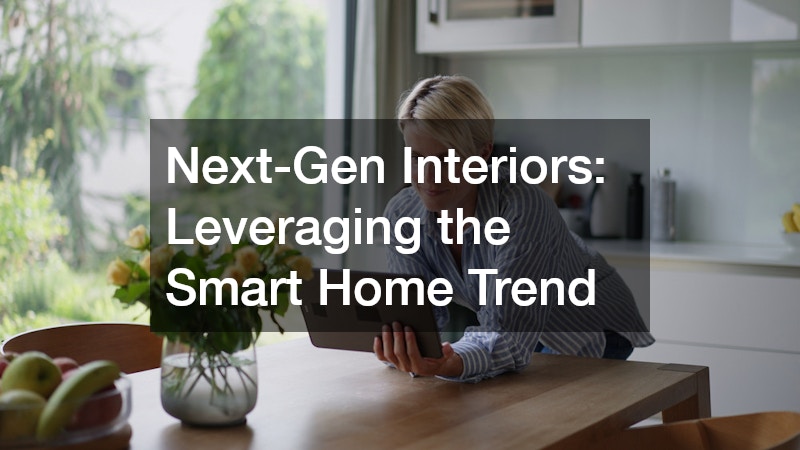
While structural and mechanical upgrades provide the necessary foundation, the interior tech features create the emotional “wow factor” that closes deals. Incorporating smart technology makes a property feel cutting-edge, efficient, and tailored to a modern lifestyle.
Connected Living: Seamless Tech Integration
Today’s tech-savvy buyers are no longer impressed by a single standalone smart plug or a basic programmable thermostat left in a box on the kitchen counter. They want a cohesive, intelligent living environment where systems talk to one another seamlessly.
Implementing a centralized system for home automation gives your flip an upscale, futuristic identity. By linking smart thermostats, automated lighting zones, multi-room audio, and connected water leak detectors into a single, intuitive hub, you create an environment of ultimate convenience. During open houses, you can use these features to control the ambiance, dimming the lights and playing soft music with a single voice command, creating an unforgettable experience for visitors.
Curb Appeal and Outdoor Living: Extending the Square Footage
Neglecting the yard is one of the most common mistakes a real estate investor can make. The outdoor spaces should be treated as an extension of the indoor living areas, providing functional zones for relaxation, dining, and entertainment that effectively increase the usable square footage of the property.
Reclaiming the Canopy: Tree Care and Landscape Safety
A beautiful yard can be completely ruined by overgrown, dead, or poorly maintained trees. Large, decaying limbs hanging over a roof are a massive liability that will cause home inspectors to flag the property and insurance companies to deny coverage.
-
Dead or diseased trees can unexpectedly fall during storms, causing catastrophic damage to the new roof, siding, or neighboring properties.
-
Overgrown branches block natural sunlight, making the interior of the home feel dark, gloomy, and cramped during daytime showings.
-
Unmanaged root systems can slowly crack driveways, invade sewer main lines, and compromise the structural foundation of the house.
Before you begin landscaping, utilizing professional residential tree services is essential to clear sightlines, prune mature trees for health and beauty, and grind down ugly stumps. Removing these hazards improves safety, opens up the property to vibrant natural light, and creates a clean canvas for your manicured lawn and garden beds.
High-End Outdoor Lounges: Creating Year-Round Spaces
The desire for functional outdoor living space has skyrocketed, with buyers placing an immense premium on backyards that feel like private resorts. A simple patch of grass is no longer enough; you need to define a space where people can gather and entertain.
To elevate your backyard from basic to brilliant, consider adding high-end architectural features like louvered pergolas over your main patio or deck. These structural additions feature adjustable motorized slats that allow homeowners to customize their environment, closing the roof completely for solid shade and rain protection, or tilting the slats open to welcome the sun. This creates a highly versatile, upscale outdoor lounge that expands the perceived size of the home and adds an element of architectural luxury that standard flips completely lack.
Marketing Your Masterpiece: Closing the Deal

Once the dust settles and the renovations are complete, your focus must shift from construction to presentation. All the high-value upgrades in the world won’t matter if you cannot effectively communicate their worth to appraisers, real estate agents, and prospective buyers.
Presenting Value to Appraisers and Buyers
To ensure your upgrades translate directly into a higher appraisal and appraisal value, you must be meticulous in how you present the finished home. Appraisers don’t always notice premium materials or hidden mechanical upgrades unless you explicitly point them out.
-
Create a comprehensive upgrade binder containing all permits, contractor invoices, material specifications, and transferable warranties to hand directly to the appraiser.
-
Place small, tastefully designed placards throughout the home during showings to highlight hidden features, such as smart home capabilities or upgraded insulation.
-
Ensure your real estate agent is fully briefed on the specific engineering and structural improvements so they can actively sell those features during open houses.
The art of moving a flipped property quickly relies heavily on reducing buyer doubt. When you are selling a home in a competitive market, providing a thoroughly documented, completely updated property eliminates the fear of the unknown, giving you immense leverage during negotiations and allowing you to command top dollar for your investment.
Successful house flipping requires a strategic mindset that goes far deeper than basic cosmetic touch-ups. By focusing your budget on a smart mix of structural integrity, mechanical modernizations, resilience features, and luxurious outdoor living spaces, you create a product that stands out in any market environment. The key is to always upgrade with intention, avoiding the trap of over-improving for the specific neighborhood while ensuring that every dollar spent directly increases the property’s appraised value and buyer appeal. When you build a home that offers both emotional beauty and structural peace of mind, profitability naturally follows.