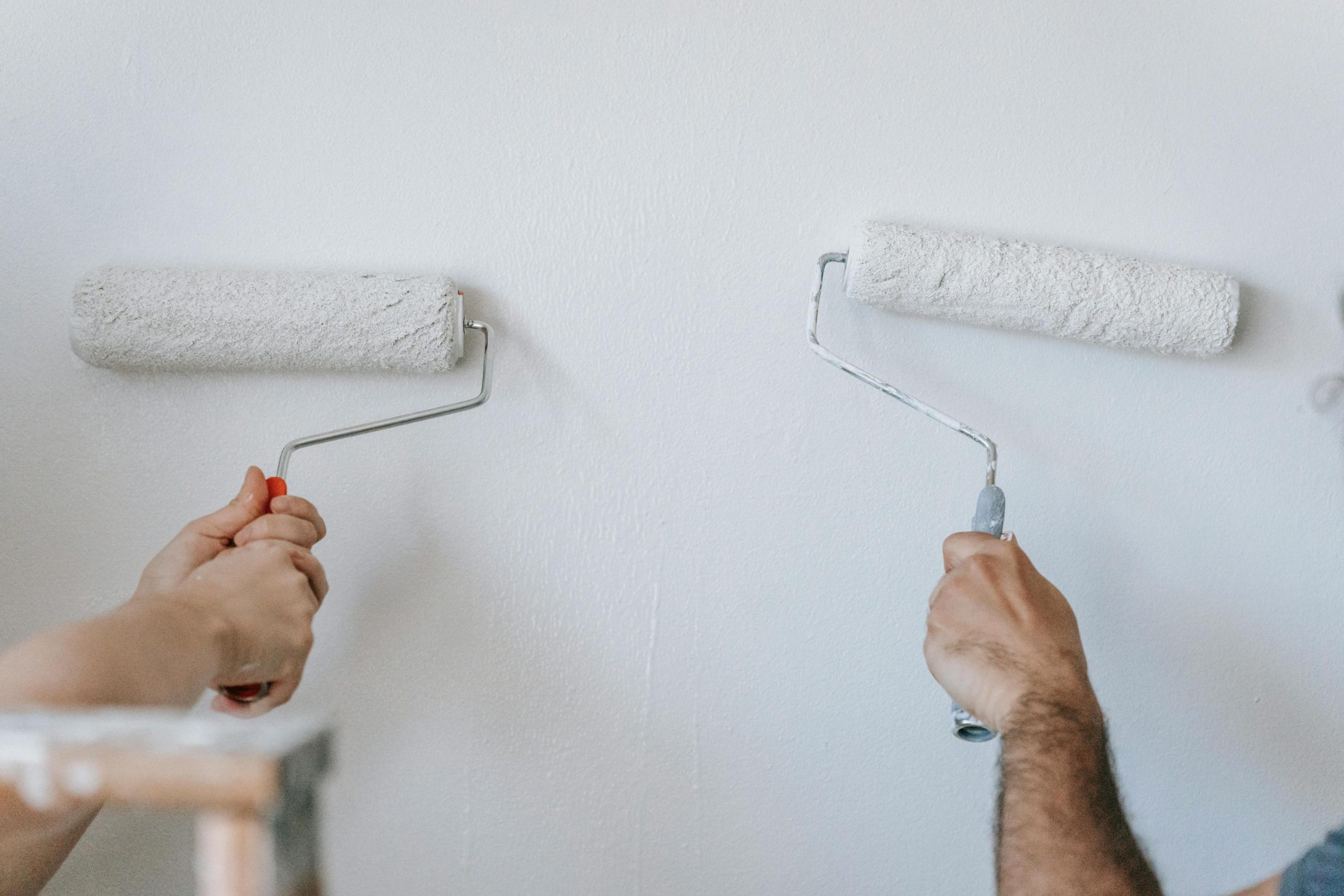
There is nothing quite like the feeling of finishing a home improvement project. You’ve spent hours picking the perfect color, moving furniture, and carefully applying that fresh coat of paint. The room looks brand new, and the transformation is exciting. However, once the brushes are washed and the tarps are folded, a new problem often moves in: the smell.
That sharp, chemical odor isn’t just annoying; for many people, it can cause headaches, dizziness, or even nausea. These smells come from VOCs (Volatile Organic Compounds), which are chemicals that turn into gas at room temperature. Even if you use high-quality paint, the fumes can linger for days, making it hard to enjoy your newly upgraded space.
If you are wondering how to get paint smell out of the house so you can finally relax in your new room, you are in the right place. You don’t need expensive equipment or industrial fans to clear the air. In fact, some of the best solutions are probably sitting in your kitchen right now. Here are seven household hacks that actually work to neutralize paint odors fast.
The Science of Why Paint Smells
Before we jump into the hacks, it helps to understand what we are fighting. As paint dries, the liquid part evaporates into the air. This is how the paint hardens onto your walls. Unfortunately, that liquid contains those VOCs we mentioned earlier.
The goal isn’t just to cover up the smell with a candle or a spray. If you just use a floral air freshener, you are simply adding more chemicals to the air. To truly solve the problem, you need to either absorb the odor molecules or move them out of the house.
1. The Power of Natural Ventilation

It might seem obvious, but the most effective way to learn how to get paint smell out of the house is to use the air outside. However, there is a right way and a wrong way to ventilate.
- The Cross-Breeze: Simply opening one window isn’t enough. You need to create a path for the air to flow. Open windows on opposite sides of the room or the house. This creates a “wind tunnel” effect that pushes the fumes out and pulls fresh air in.
- Box Fans are Your Best Friend: Don’t just point a fan at the wall. Place a box fan in a window, pointing outward. This creates a vacuum that sucks the paint fumes out of the room. If you point the fan into the room, you might just be swirling the smell around.
- Weather Matters: If it is a very humid or rainy day, keep the windows closed until the air dries out. High humidity can actually slow down the drying process, which makes the paint smell last longer.
2. Use Baking Soda for Heavy Lifting
Baking soda is a miracle worker in the world of home improvement. It doesn’t just mask smells; it actually absorbs them. Because baking soda is a base (on the pH scale), it reacts with acidic odor molecules in the air and neutralizes them.
- How to do it: Pour generous amounts of baking soda into several small bowls or onto paper plates. Place them around the perimeter of the freshly painted room.
- The Carpet Hack: If you have carpeted floors and the smell has settled into the fibers, sprinkle baking soda directly onto the rug. Let it sit for at least 12 hours (overnight is best) and then vacuum it up.
- Pro Tip: Don’t be stingy. Use a whole box for one room. Once the baking soda has done its job, throw it away—do not use it for baking!
3. The Surprising Onion Method
This is one of those old-school hacks that sounds crazy until you try it. Onions contain a substance called syn-propanethial-S-oxide, which is very effective at neutralizing the chemicals found in paint.
- How to do it: Take two large white or yellow onions. Peel them and cut them in half. Place each half in a bowl with a little bit of water. Put the bowls in the corners of the room.
- Why it works: The onion actually absorbs the VOCs. You might notice a slight onion smell for an hour or two, but once you remove the onions, both the onion smell and the paint smell will be gone.
- Safety First: Make sure no pets or children eat these onions after they have been sitting out. They will be full of absorbed chemicals and are no longer safe to consume.
4. Activated Charcoal for Deep Cleaning
If you are looking for how to get paint smell out of the house after a major renovation, activated charcoal is one of the strongest tools you can use. This is not the same as the charcoal you use for a backyard BBQ. Activated charcoal has been treated to have thousands of tiny pores that act like a sponge for gas and odors.
- Where to find it: You can buy activated charcoal in small fabric bags at most home improvement stores or online.
- Placement: Hang the bags near the painted walls or place them on tables. They are fantastic at grabbing the microscopic particles that cause the heavy, “chemical” scent.
- Bonus: These bags are reusable! After they’ve absorbed the paint smell, you can place them in direct sunlight for a few hours to “reset” them, and they’ll be ready for your next project.
5. Bowls of White Vinegar
Vinegar is a staple in every “organized home” cleaning kit. The acetic acid in white vinegar is excellent at breaking down the molecules that carry odors.
- The Process: Fill several shallow bowls with plain white vinegar and place them around the room.
- The Steam Method: For faster results, you can simmer a pot of vinegar and water on the stove (if the kitchen was the room you painted). The steam will travel through the house and neutralize the air as it moves.
- Don’t Worry About the Scent: Many people are afraid their house will smell like a pickle jar. While the vinegar smell is strong at first, it disappears very quickly once you remove the bowls, taking the paint fumes with it.
6. Coffee Grounds for a Pleasant Aroma
If you are a coffee lover, this is the hack for you. Dry coffee grounds are naturally absorbent and have a strong, pleasant scent that can help clear the air.
- How to use them: Place dry, unused coffee grounds in small bowls. Just like the baking soda, the grounds will pull the odors in.
- The Dual Benefit: This is a great “phase two” hack. After you have used ventilation and baking soda to get the bulk of the smell out, the coffee grounds can help remove those last lingering traces and make the room smell cozy again.
- Note: Only use dry grounds. Wet grounds can grow mold if left out too long, and they aren’t as effective at absorbing air molecules.
7. Dipping into the Fruit Bowl: Lemons and Water
If you prefer a citrus scent, lemons are a fantastic natural air purifier. They don’t just cover up the smell; the citric acid helps clean the air.
- The Setup: Slice two or three lemons and put them into a large bowl of water. Leave the bowl in the center of the room overnight.
- The Boost: For a stronger effect, you can add a tablespoon of salt to the water. The salt helps the lemons release their oils into the air more effectively.
- The Result: This is a very “light” way to handle the problem. It is perfect for smaller projects like a painted bathroom or a single accent wall.
How to Prevent the Smell Next Time
While knowing how to get paint smell out of the house is great, preventing the smell in the first place is even better. As you plan your next home upgrade, keep these three tips in mind:
- Choose Low-VOC or No-VOC Paints: Modern technology has made it possible to buy paint that has almost no smell at all. Look for the “Green Seal” on the can. These paints are much safer for people with asthma or allergies.
- Keep the Lids On: It sounds simple, but many people leave the paint cans open while they are working. Only pour what you need into a tray and tap the lid back onto the can. This keeps the fumes inside the tin instead of in your lungs.
- Paint in Thin Layers: Knowing how often should you paint your house can help you pick the best time of year for the job. If you aim to paint every 5 to 7 years, try to schedule your projects for the spring or fall. This allows you to keep the windows wide open for natural ventilation without making your house too hot or too cold.
Conclusion
A fresh coat of paint is one of the best ways to upgrade your home, but the smell shouldn’t keep you from enjoying your hard work. By using a combination of these hacks—especially ventilation, baking soda, and vinegar—you can significantly speed up the time it takes for your house to feel fresh again.
The next time you decide to tackle a bedroom, a kitchen, or even a piece of furniture, you won’t have to worry about the “new paint” headache. You have all the tools you need right in your pantry to clear the air and get back to living in your beautiful, updated space.